Slow, careful writing on tantra, deities, ritual, and the inner science of the Kaulantak Peeth lineage. Read freely — bookmark what calls to you.
 Editor's pick
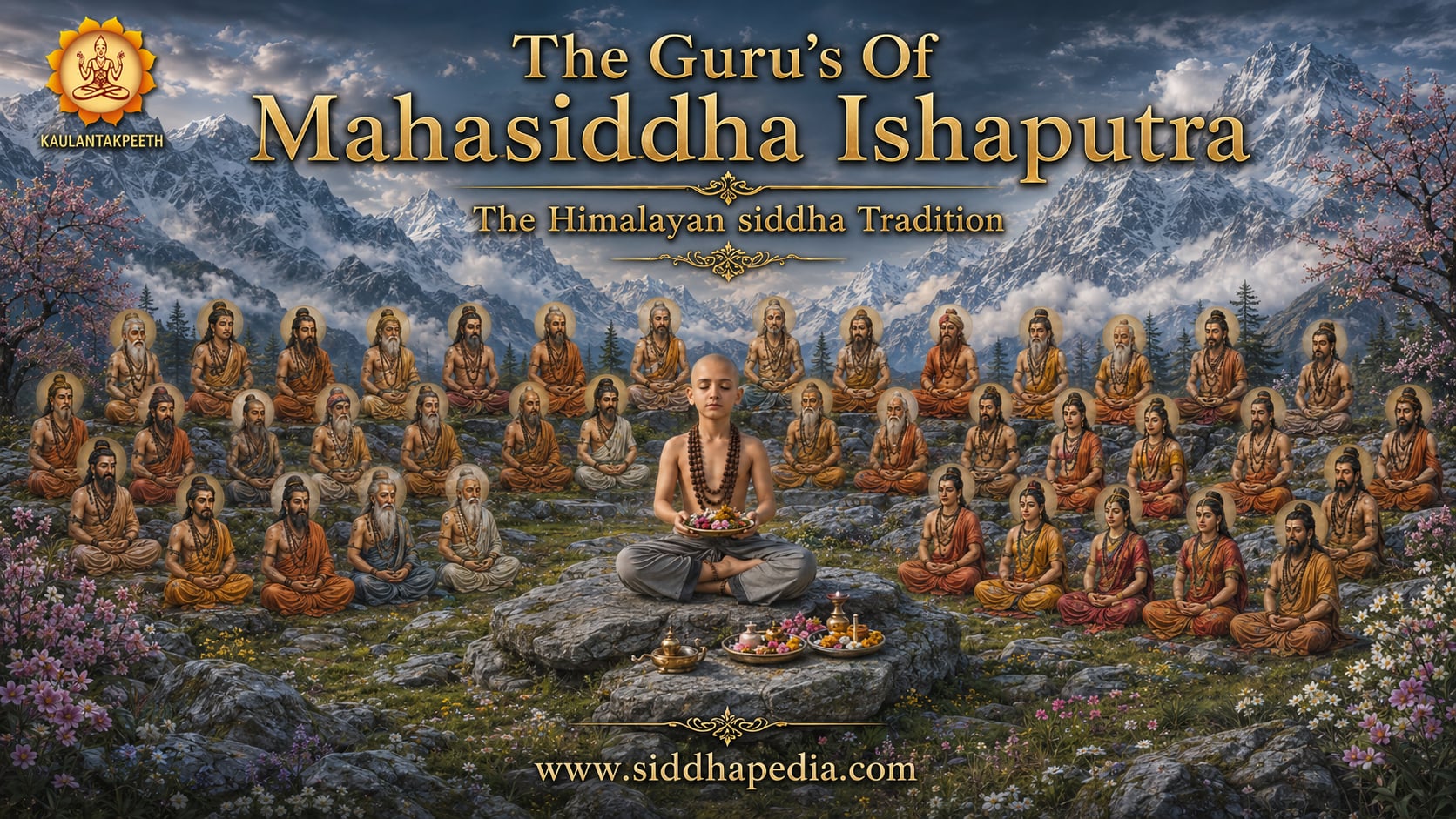
In the Siddha Dharma lineage, Mahasiddha Ishaputra was guided and trained by a group of 38 gurus, collectively known as the Upa Gurumandal. Each guru was a master of a distinct field, and together they imparted the full spectrum of spiritual knowledge required for Ishaputra’s unique destiny. Ishaputra had been nominated to assume the position of Kaulantak Nath within the tradition, and was also recognized as Guhya Shikhi Bhairav. To prepare him for this significant role, the 38 gurus of the Upa Gurumandal each contributed their specialized teachings, ensuring his training was comprehensive across multiple disciplines of spiritual practice. Following this training, Ishaputra underwent rigorous examinations conducted by the gurus at different levels, testing his mastery of the knowledge imparted to him. Only after successfully completing these examinations was he formally established as Kaulantak Nath. A distinctive aspect of this tradition is that each of the 38 gurus bestowed upon Ishaputra a unique name, reflecting the specific teaching or aspect of himself revealed through that guru’s guidance. As a result, Mahasiddha Ishaputra came to hold 38 different names, each a marker of his journey through the Upa Gurumandal and his transformation into Kaulantak Nath.
88 essays · updated weekly
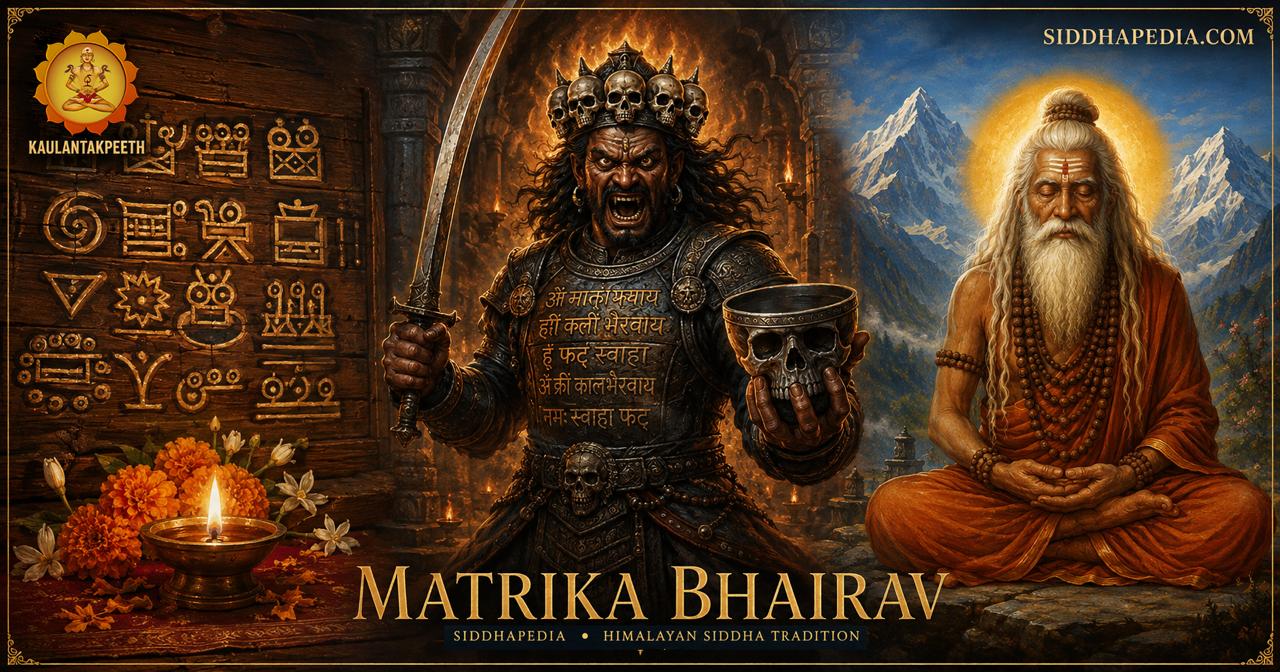
Matrika (Sanskrit- मातृका) is a sanskrit word that symbolizes Motherly Energies whereas Bhairava means The fierce, powerful and fear-destroying form of Shiva. Matrika Bhairava is the form of Swacchanda Bhairava Shiva Himself — who embodies within Him all the Matrikas, such as the Ashta Matrikas, the Shodasha Matrikas, and the Varna Matrikas. He also embodies
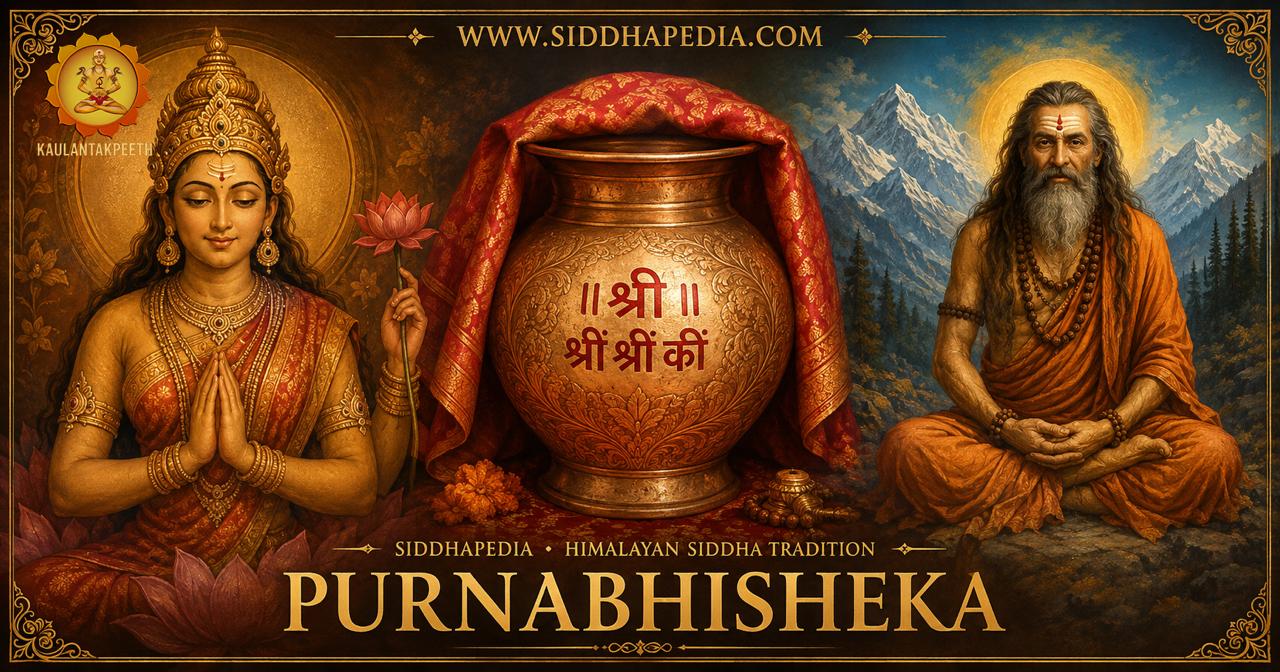
The term Poornabhishekh is formed from union of two sanskrit words – Poorna ( sanskrit – पूर्ण ) that means complete or accomplishment and Abhishekh ( sanskrit – अभिषेक ) means the act of pouring holy water over the disciple along with the mantra chanting. Poornabhishekh is an exceptionally rare and sacred event in a
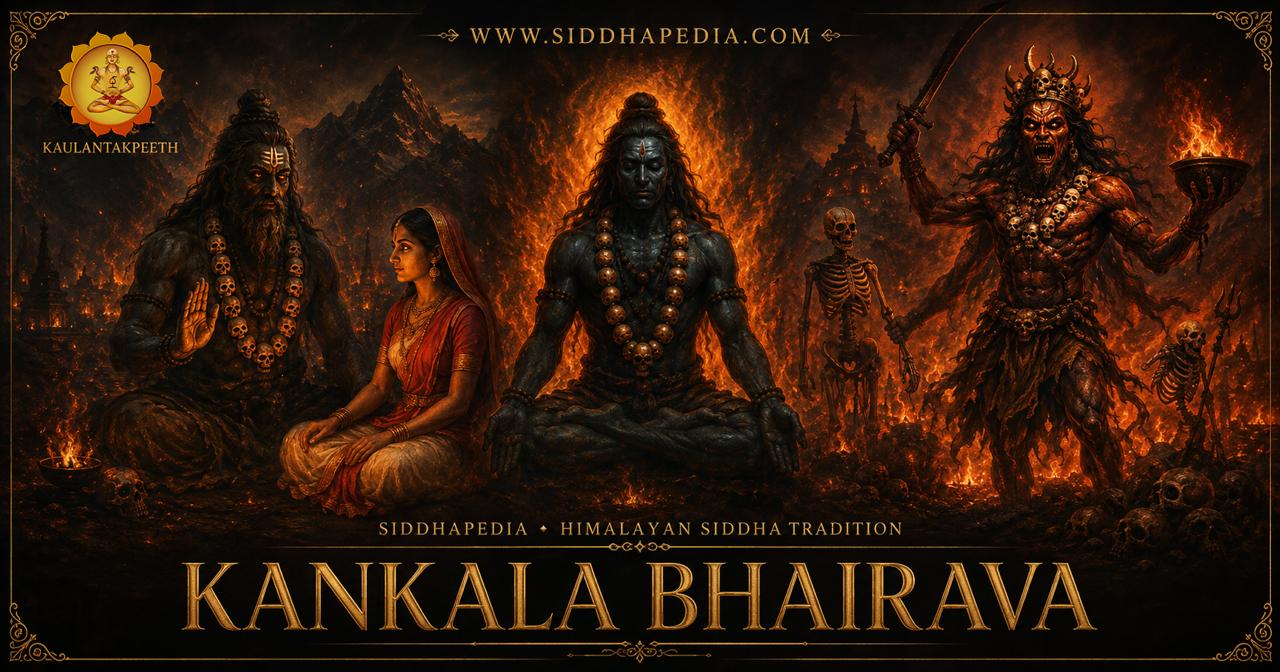
Kaṅkālā Bhairava Tantra is regarded as one of the most profound and important tantras in Siddha Dharma. Kaṅkālā Bhairava is the hidden, sustaining, and awe-inspiring form of Shiva—the skeletal ground of existence, the essence behind creation, sustenance, and dissolution, and the fearless truth that underlies both the cosmos and human life. Kaṅkālā (कङ्काल) means skeleton,
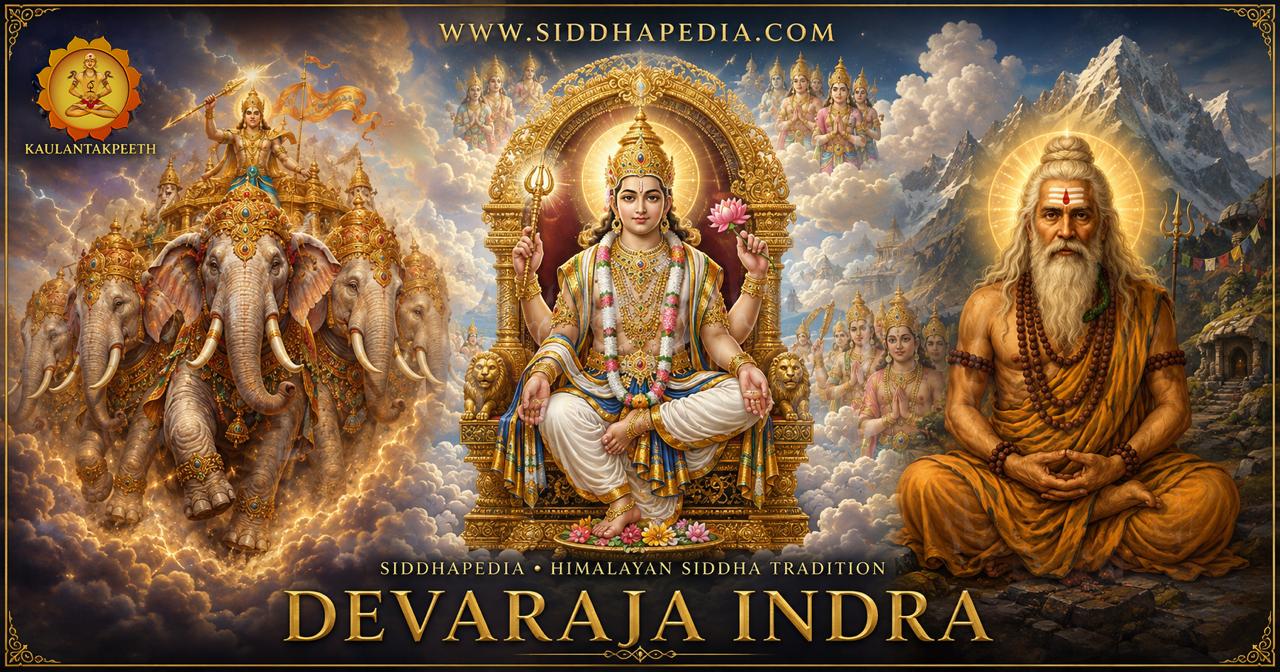
Indra (Sanskrit: इन्द्र) means immovable or unshakable. It signifies the power or strength of the deity. He is also known by the name Śakra means the one who is capable. Indra is the king of the Devas residing in Swarga. Indra Dev is the ruler or king of all the 14 lokas or realms that
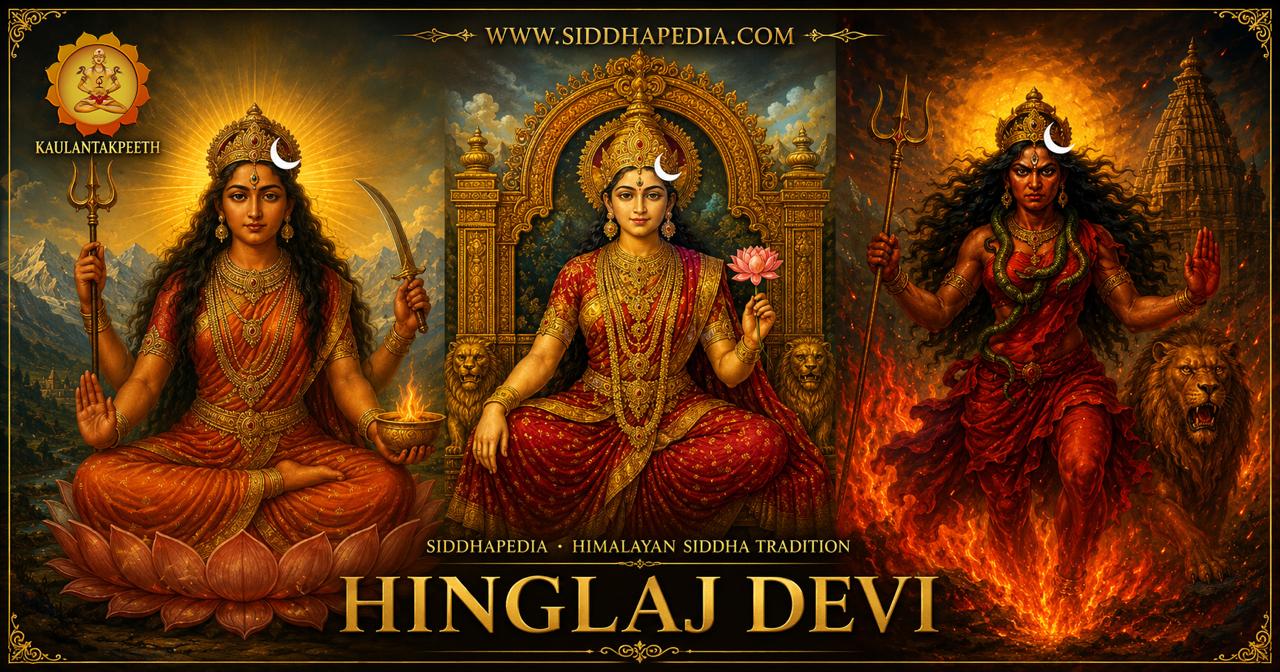
The word Hinglaj in sanskrit – ‘हिंगलाज’ is derived from: “Hingula” (हिङ्गुला) — the Sanskrit word for cinnabar (a red-colored mineral, associated with the goddess’s energy and blood-like power). “Aj” (अज) — meaning unborn or primordial, when interpreted spiritually. So “Hinglaj” can mean “the primordial red one” or “she who embodies the primal Shakti.” Hinglaj
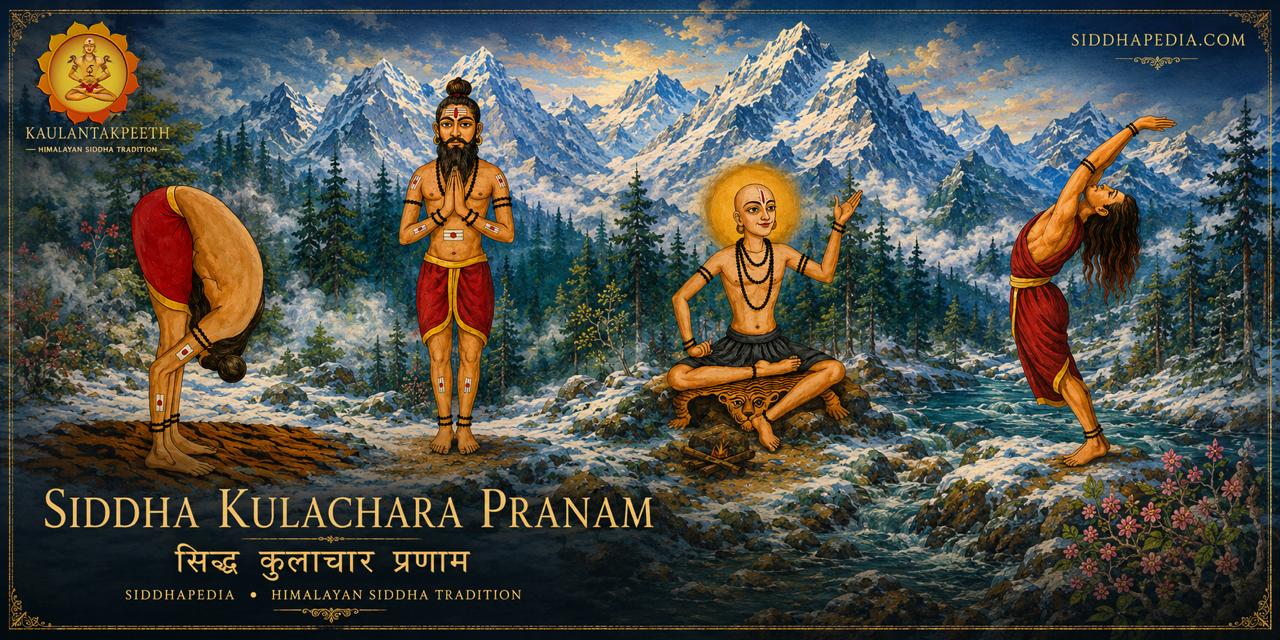
The word ‘सिद्ध’ in sanskrit or ‘Siddha’ is taken from Himalayan Siddha dharm or tradition. Kula (कुल ) meaning a wisdom system that has its knowledge system and its own disciplines. Achara (आचार ) means disciplines. Pranam (प्रणाम ) refers to salutation. So Siddha Kulachara Pranam is the method of offering highest salutation to the
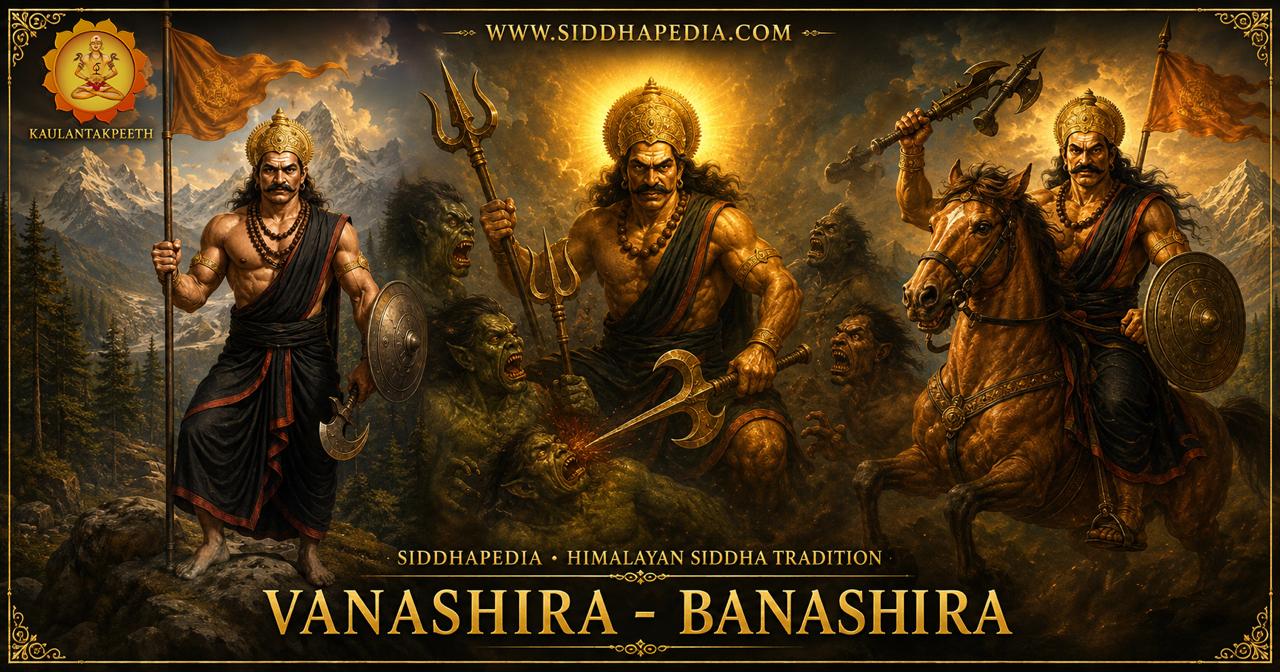
The Sanskrit word ‘वनशिरा’ (Vanashira) where ‘vana’ stands for forest and ‘shira’ means the top or peak. The God or Yaksha who is the strongest, most powerful, most knowledgeable and the highest, is called Vanashira. He resides on the top of the forest in himalayan mountains. In deshaj language of interiors of himalayas vanashira is
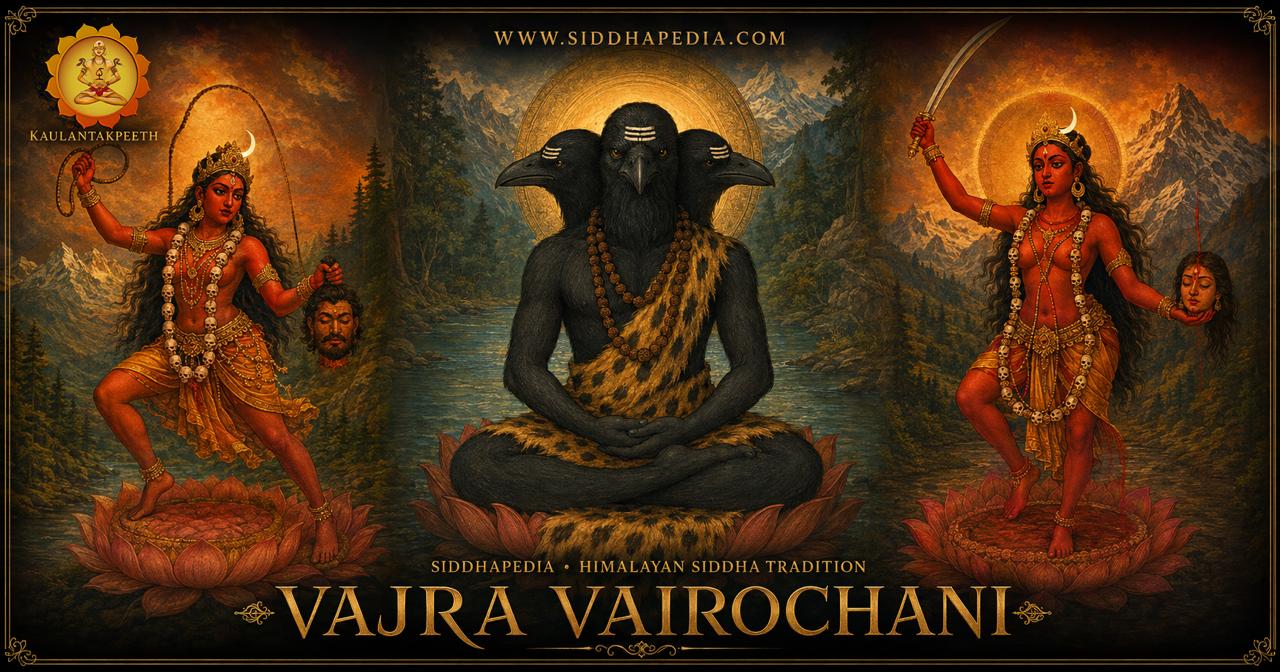
The word Vajra in Sanskrit is used in many diiferent contexts like it means thunderbolt, diamond, a weapon of Devraaj Indra, it also refers to vajra naadi that is sushumna naadi. Vairochani in sanskrit refers to ‘ the radiant Shakti ‘. Bhagwati Vajra vairochani is one of the five divine forms of Maa Chhinnamasta who
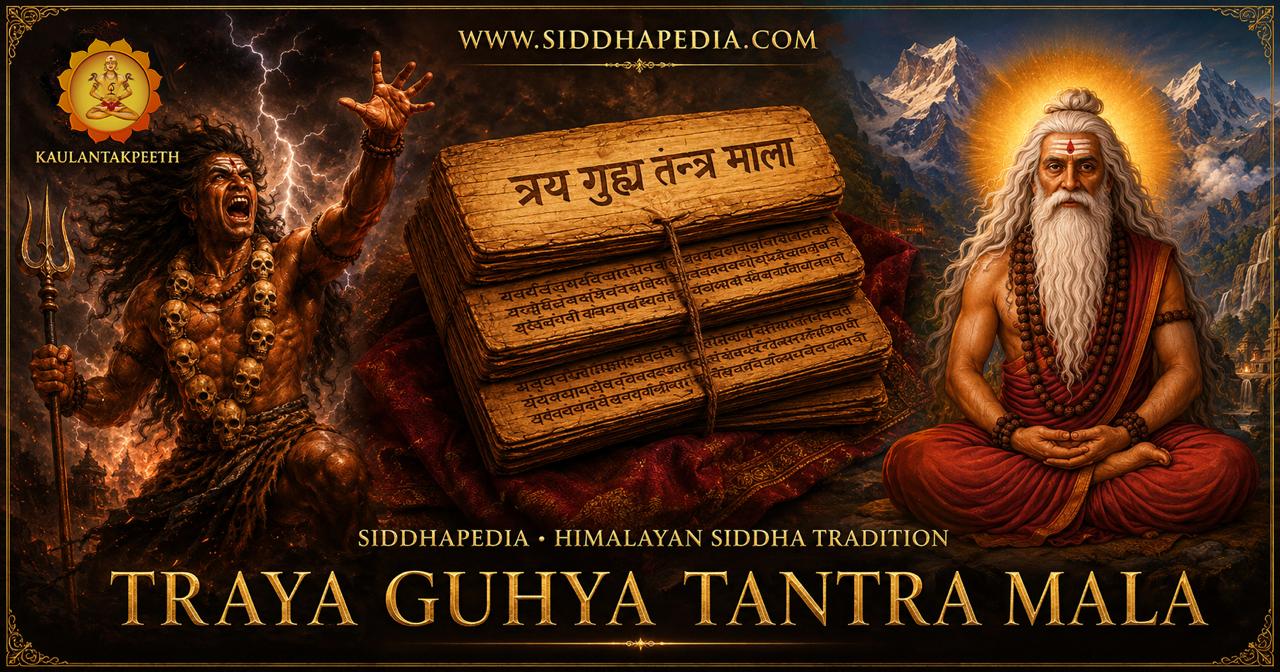
“Traya” means three, “Guhya” refers to secret, and “Tantra Mālā” denotes a set of tantra texts. Bhagavān Swacchanda Bhairava Shiva revealed the supreme knowledge of the cosmos and creation in the form of tantra to Bhagavān Tāmravaktra Jvāl. This divine knowledge was designed to liberate worthy divine beings from the cycle of rebirth, ultimately granting